Frequently Asked Questions
How do I install an above-ground pool?
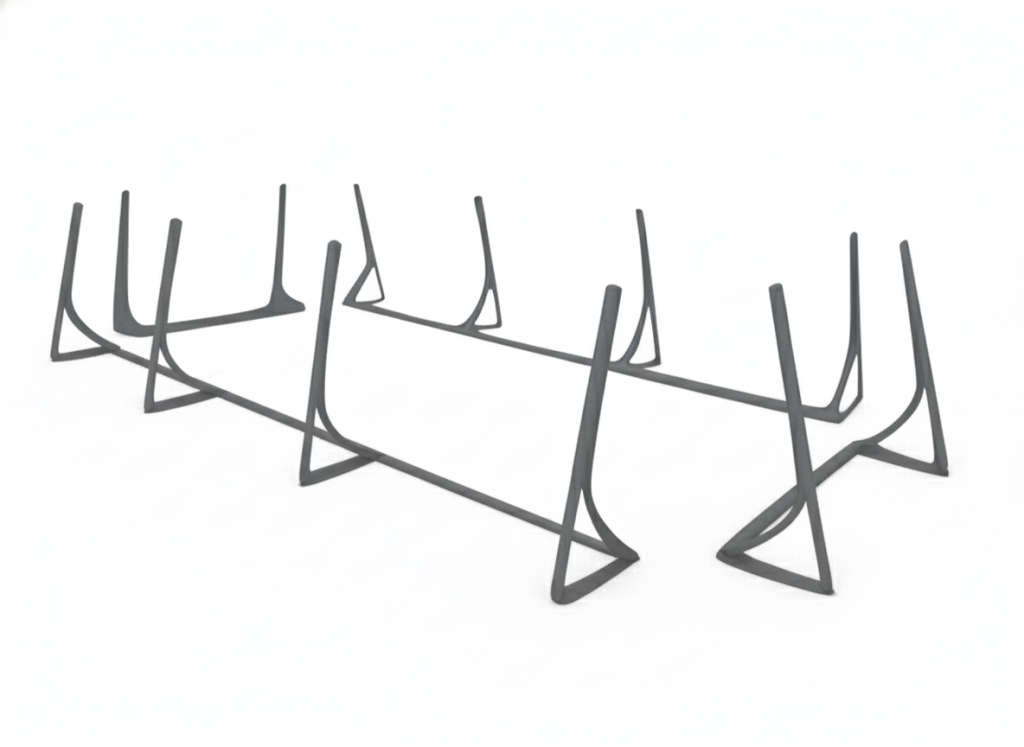
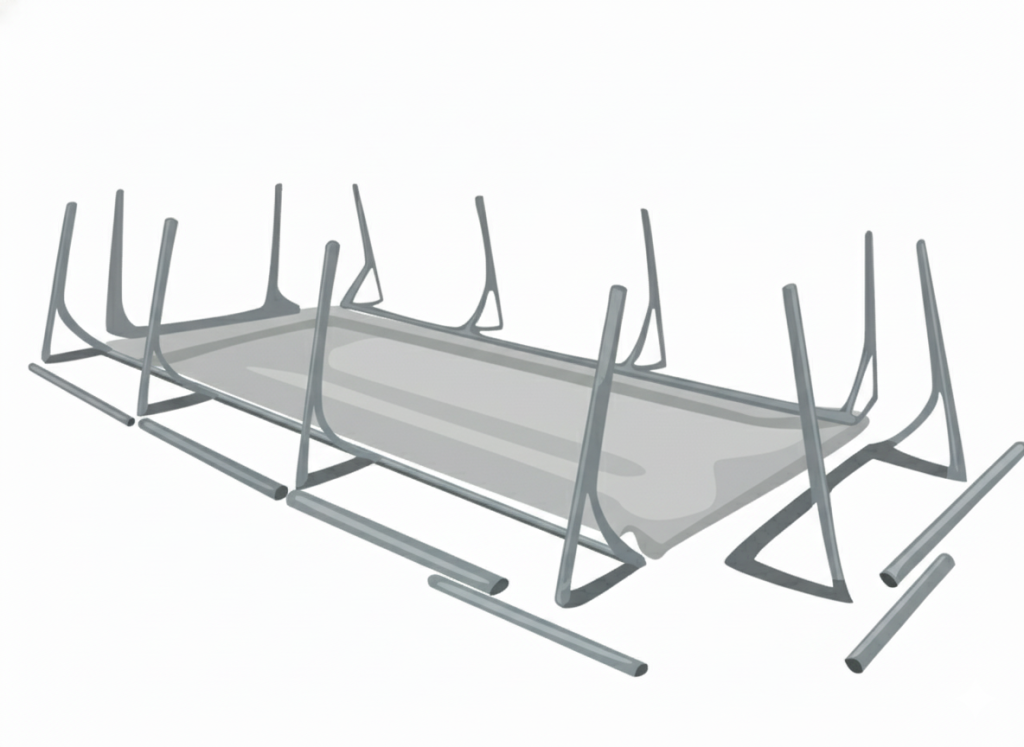
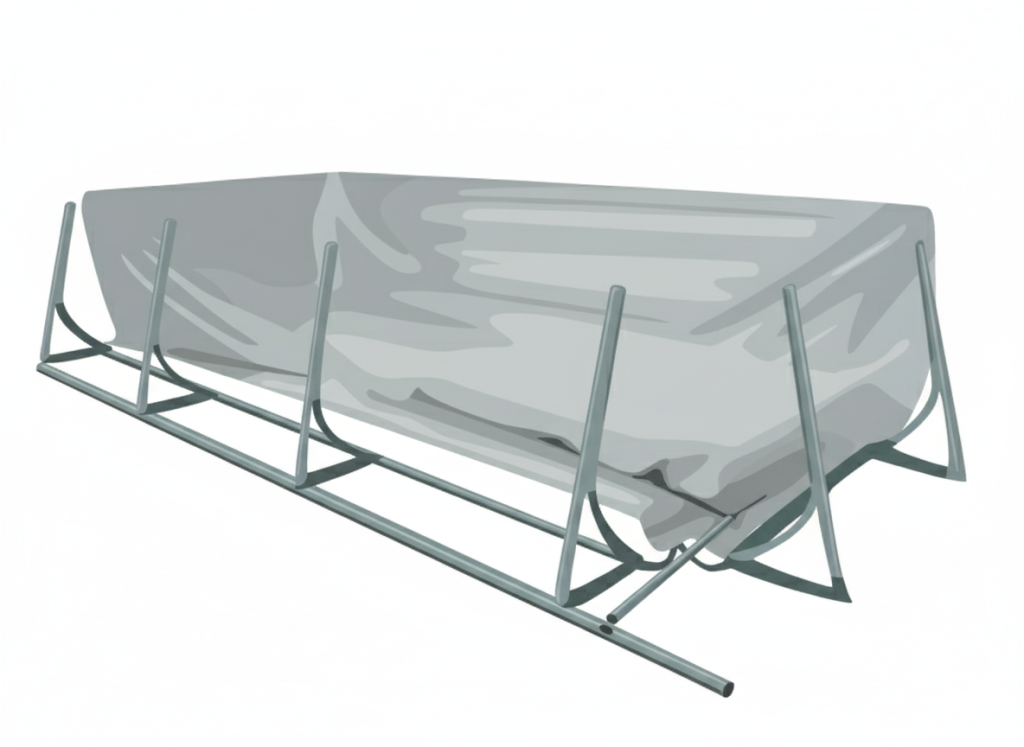
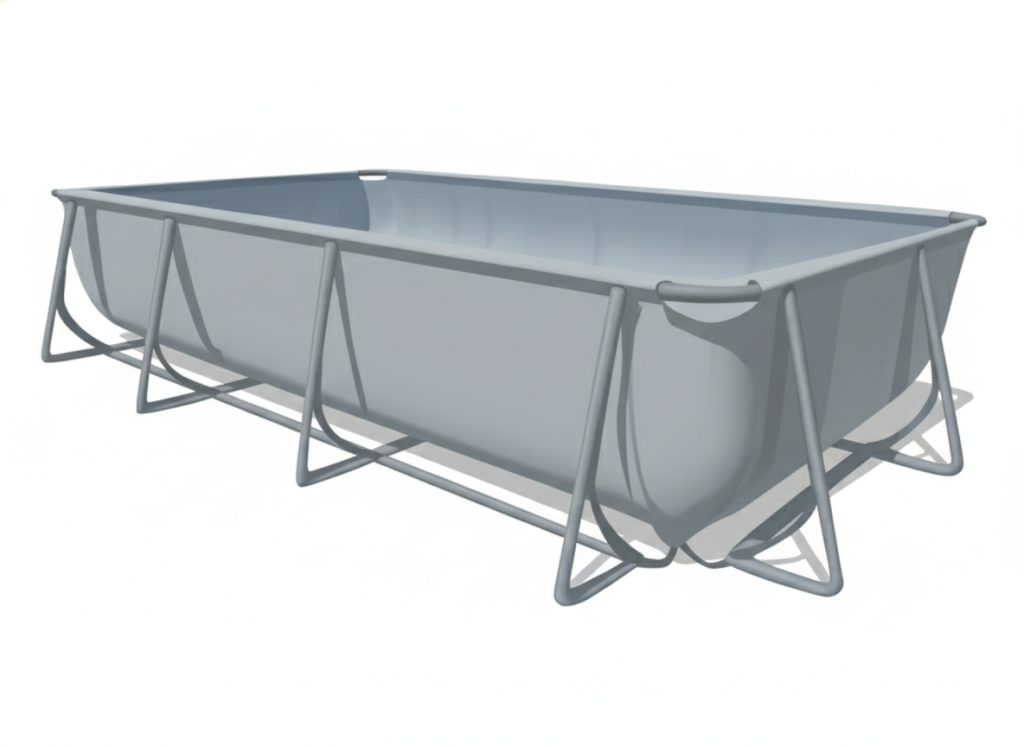
The installation of an above-ground pool involves a straightforward process. Begin by leveling the ground, then follow the snap-together instructions provided with your Kona Pool for assembly, ensuring no special tools are needed.
What tools do I need for setting up a Kona Pool?
The tools needed for setting up a Kona Pool are minimal. You will primarily require a level, a tape measure, and a mallet to assist with the snap-together assembly process. No special tools are necessary.
Are there any tips for a smooth installation of above-ground pools?
Tips for a smooth installation of above-ground pools include ensuring a level ground, having all tools and parts ready, following the assembly instructions carefully, and watching our instructional videos for guidance.
Where can I find installation videos for Kona Pools?
You can find installation videos for Kona Pools on our official website. We offer step-by-step video guides for both round and rectangular pools to assist you in the assembly process.
What is the assembly process for round and rectangular pools?
The assembly process for round and rectangular pools involves a simple snap-together design that requires no special tools. Follow the provided step-by-step instructions and instructional videos for a smooth installation experience.
What is the best location for an above-ground pool?
The best location for an above-ground pool is a flat, level area that receives ample sunlight and is away from overhanging trees or structures. Ensure easy access for maintenance and safety, while considering privacy and local regulations.
How long does it take to install a Kona Pool?
Installing a Kona Pool typically takes between 1 to 3 hours, depending on the size and type of pool. Our snap-together design makes the assembly process straightforward and efficient, requiring no special tools or professional help.
What maintenance is required for above-ground pools?
The maintenance required for above-ground pools includes regular cleaning, checking and balancing water chemistry, ensuring proper filtration, and inspecting the pool structure for any damage. Consistent upkeep helps prolong the life of the pool and ensures a safe swimming environment.
Can I install a Kona Pool by myself?
You can install a Kona Pool by yourself. The easy snap-together design allows for a straightforward assembly process that requires no special tools or professional help, making it perfect for DIY enthusiasts.
What is the weight limit for above-ground pools?
The weight limit for above-ground pools varies by model, but generally, they can hold between 3,000 to 10,000 pounds when filled with water and accommodating users. Always refer to the specific guidelines provided by the manufacturer for accurate limits.
How do I level the ground for installation?
Leveling the ground for installation involves clearing the area of debris, measuring the space, and using a shovel or rake to create a flat surface. Ensure the ground is compact and even to support your Kona Pool effectively.
What are the dimensions of Kona Pools?
The dimensions of Kona Pools vary depending on the model, with options typically ranging from 12 to 30 feet in diameter for round pools and 10 by 20 feet to 15 by 30 feet for rectangular pools.
Are there any safety tips for above-ground pools?
Safety tips for above-ground pools include ensuring proper ladder usage, installing a safety cover, and supervising children at all times. Additionally, maintain clear poolside areas and use non-slip mats to prevent accidents.
How do I winterize my above-ground pool?
Winterizing your above-ground pool involves several key steps: first, clean the pool thoroughly, then lower the water level below the skimmer, and add winterizing chemicals. Finally, cover the pool securely to protect it from debris and freezing temperatures.
What accessories are recommended for Kona Pools?
Recommended accessories for Kona Pools include pool covers, ladders, skimmers, and maintenance kits to enhance your pool experience and ensure easy upkeep.
How do I clean my above-ground pool?
Cleaning your above-ground pool involves regularly skimming the surface for debris, vacuuming the pool floor, and checking chemical levels. Additionally, scrub the walls to prevent algae buildup and ensure proper filtration for clear water.
What is the warranty on Kona Pools?
The warranty on Kona Pools covers structural integrity and defects in materials, ensuring peace of mind for customers. Specific terms and duration may vary, so please refer to the warranty documentation provided with your pool for detailed information.
Can I customize my Kona Pool design?
The customization of your Kona Pool design is limited to selecting from our available styles and colors. While the snap-together design allows for easy assembly, we currently do not offer bespoke modifications.
What are the benefits of above-ground pools?
The benefits of above-ground pools include affordability, easy installation, and low maintenance. They offer a quick way to enjoy a refreshing swim without the need for extensive landscaping or construction, making them an ideal choice for many homeowners.
How do I troubleshoot common installation issues?
Troubleshooting common installation issues involves checking for proper alignment of pool components, ensuring all parts are securely connected, and verifying that the ground is level. Refer to the installation manual for specific guidance and solutions.
What type of liner is best for above-ground pools?
The best type of liner for above-ground pools is a vinyl liner, as it offers durability, flexibility, and a smooth surface that is resistant to UV rays and chemicals, ensuring a long-lasting and enjoyable swimming experience.
How do I connect the filter to my pool?
Connecting the filter to your pool involves attaching the filter's inlet and outlet hoses to the corresponding ports on your pool. Ensure a secure fit to prevent leaks and follow the manufacturer's instructions for optimal performance.
What is the cost range for Kona Pools?
The cost range for Kona Pools varies depending on the size and model chosen, typically falling between $1,500 and $5,000. This affordable pricing makes it easy for families to enjoy a quality above-ground pool.
Are there financing options for purchasing a pool?
Financing options for purchasing a pool are available. Kona Pools offers flexible payment plans to help make your pool investment more manageable.
How do I choose the right size pool?
Choosing the right size pool involves considering your available space, the number of users, and your intended use. Assess your yard dimensions and how you plan to use the pool for relaxation or recreation to find the perfect fit.
What are the environmental impacts of above-ground pools?
The environmental impacts of above-ground pools include potential water usage, chemical runoff, and energy consumption for heating and filtration. However, they generally have a smaller ecological footprint compared to in-ground pools, making them a more sustainable option.
How do I ensure proper water circulation?
Ensuring proper water circulation is essential for maintaining a clean and healthy pool. To achieve this, regularly run your pump and filter system, position return jets to create a circular flow, and avoid obstructions around the pool that can impede water movement.
What chemicals are needed for pool maintenance?
The chemicals needed for pool maintenance include chlorine for sanitization, pH balancers to maintain water balance, algaecides to prevent algae growth, and shock treatments for periodic cleaning. Regular testing ensures optimal water quality.
How do I install a pool ladder?
Installing a pool ladder involves securing it to the pool's edge. First, align the ladder with the pool wall, then use the provided hardware to attach it firmly. Ensure it’s stable and follow any specific instructions included with your ladder.
What are the best practices for pool safety?
The best practices for pool safety include always supervising children, installing barriers like fences, using pool covers, teaching swim safety, and keeping emergency equipment readily available. Regularly check for hazards and ensure everyone understands pool rules.